Modern Worship Technology: Streaming, Sound & Security
Worship today is no longer limited to a single room. For many congregations, a service now happens in two places at the same time, inside the sanctuary and anywhere people can connect online. Live streaming, clear sound, and reliable video have become essential parts of modern worship experiences. Churches are discovering that technology is no longer just support equipment; it is part of how communities stay connected and engaged.
Streaming allows people who cannot attend in person to remain involved with their church. Elderly members, caregivers, people traveling for work, or anyone temporarily unable to attend can still participate in services from home or on their phones. Because of this shift, expectations for audio clarity, video quality, and reliable streaming have grown significantly.
However, many worship facilities face challenges when systems grow over time without a clear plan. Cameras, sound equipment, and streaming tools may work individually but struggle together during real services. The goal of modern worship technology is simple: create systems that deliver consistent sound, reliable streaming, and easy operation, allowing churches to focus on the message rather than the equipment.
Key takeaway: Modern worship technology helps churches connect their congregation both in-person and online through reliable, well-designed systems.
Quick to Know
Modern worship services are no longer limited to the physical sanctuary. Many congregations now participate both in person and online, which means the technology supporting services must be reliable and easy to operate. Streaming systems, sound clarity, and facility security all play a role in creating a consistent experience for both audiences.
A well-designed worship technology setup focuses on a few core outcomes: clear speech that everyone can understand, stable streaming that works every service, and systems simple enough for volunteer teams to manage. When these elements are planned together rather than added over time, the result is a system that works quietly in the background without constant troubleshooting.
Key takeaway: Modern worship technology succeeds when streaming, sound, video, and facility systems work together as one stable infrastructure.
Key Benefits
Modern worship technology improves both the in-person and online experience when systems are designed intentionally. Key benefits include:
Clear speech and balanced sound so every message is easy to understand
Reliable streaming that allows members to participate from anywhere
Simpler operation for volunteers through repeatable workflows
Safer facilities with smarter access control and monitoring
Key takeaway: The right infrastructure improves clarity, participation, and confidence during every service.
Q/A
Q: Why has worship technology become more important today?
Because many congregations now participate both in person and online. Streaming allows people who cannot attend physically to remain connected to the service.
Q: Why do many churches struggle with streaming and sound quality?
In many facilities, technology systems were added gradually without a clear plan. This can lead to unstable workflows, inconsistent audio levels, and systems that are difficult for volunteers to operate.
Key takeaway: Most worship technology challenges come from system design issues, not a lack of equipment.
Why Worship Technology Is Changing in Modern Churches
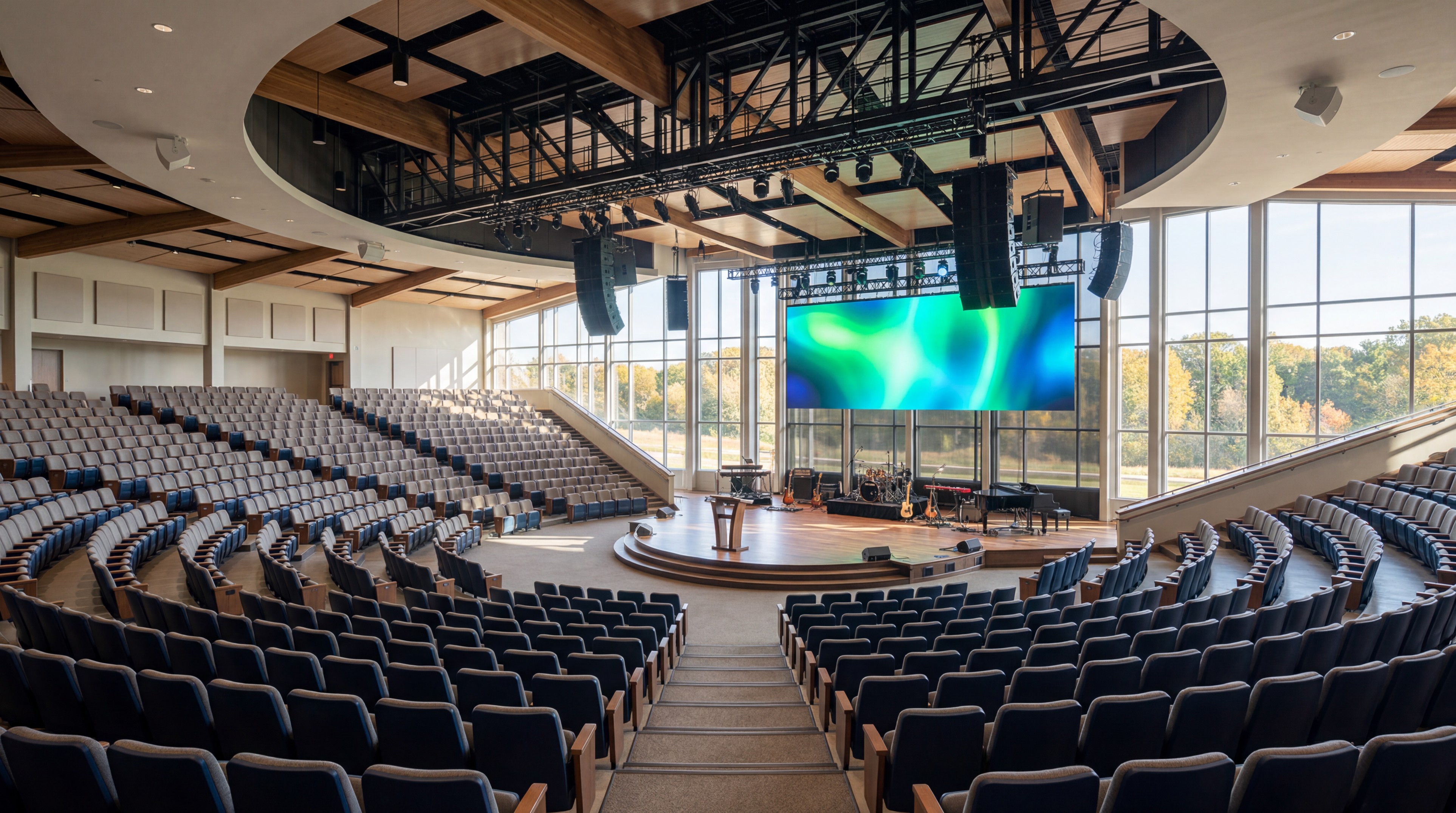
Over the past decade, the way congregations participate in worship has changed significantly. Services are no longer limited to those physically present in the sanctuary. Today, many churches support a hybrid experience, where members attend in person while others join through live streaming from home or mobile devices.
This shift expanded the reach of worship services. People who are elderly, sick, traveling, or temporarily unable to attend can still remain connected to their church community. Streaming makes participation possible even when physical attendance is not. Because of this, technology has become an essential part of how worship is experienced and shared.
However, many churches adopted streaming quickly without long-term planning. A camera might have been added to an existing sound system, or streaming software may have been installed without adjusting the audio workflow. While these setups may function initially, they often create problems during real services such as inconsistent audio, unreliable streams, or complex operation for volunteers.
Modern worship technology focuses on designing systems that work together rather than independently. Sound, video, streaming, and facility infrastructure must be planned as one ecosystem. When systems are designed this way, services become easier to run, volunteers feel more confident operating them, and the congregation experiences clearer communication both in the room and online.
Key takeaway: Worship technology evolved because congregations now participate both physically and digitally, requiring systems designed for hybrid engagement.
Modern worship technology is not about adding more equipment. It is about designing systems that work together in a simple and reliable way. When streaming, sound, video, and facility systems are planned as one infrastructure, services become easier to operate and more consistent for both in-person and online audiences.
Key takeaway: The best worship technology systems focus on simplicity, stability, and scalability, not complexity.
The Five Pillars of Modern Worship Technology Infrastructure
A reliable worship technology system is built on several core components that must work together. Instead of focusing on individual devices, modern worship infrastructure focuses on five key pillars that support the entire experience.
1. Streaming Reliability
Streaming should function consistently every service. This requires stable internet connections, clear audio routing, and a repeatable start-to-finish workflow. If streaming only works when a specific person operates it, the system is not stable enough yet.
2. Speech-First Sound
Clear speech is the most important element of worship audio. When the message is difficult to understand, engagement quickly drops. Proper microphone strategy, system tuning, and balanced sound coverage ensure every word reaches the congregation clearly.
3. Production-Ready Video Infrastructure
Good video requires more than just a camera. Multiple camera angles, proper lighting, and a simple switching workflow help volunteers create a smooth viewing experience for online participants.
4. Security and Access Control
Modern worship facilities benefit from controlled access and visibility. Smart access systems allow staff to manage entrances, schedules, and permissions while maintaining a safe environment.
5. Remote Management and Monitoring
Connected systems allow leadership to monitor cameras, doors, and system status remotely. This improves oversight and allows quick responses when the building is closed or lightly staffed.
Key takeaway: A modern worship system works best when streaming, sound, video, security, and remote monitoring are designed as one integrated infrastructure.
Q/A
Q: What makes a worship livestream reliable?
Reliable streaming requires more than a camera. A stable system includes consistent audio routing, repeatable start and stop procedures, and a network setup designed to prevent interruptions during services.
Q: Why is speech clarity more important than volume in worship sound?
When speech is clear and balanced across the room, the congregation can stay engaged with the message. Clear sound improves both the in-person experience and the quality of the livestream.
Key takeaway: Reliable streaming and clear speech are the foundation of effective worship technology.
Common Worship Technology Challenges Churches Face
Many churches invest in cameras, microphones, and streaming tools but still struggle with the overall experience during services. In most cases, the challenge is not the equipment itself but how the systems are connected and operated together.
One of the most common issues is poor audio quality in livestreams. The video may look clear, but viewers online often complain that the sermon sounds distant or unclear. This usually happens when the stream uses room sound instead of a dedicated audio mix. Without a clean audio feed, speech becomes difficult to understand for online participants.
Another frequent problem is complex operation for volunteers. Many worship technology setups require multiple manual steps to start a service. Volunteers may need to adjust audio levels, configure streaming software, and switch cameras at the same time. Without clear workflows, mistakes and stress become common during services.
Churches also struggle with inconsistent audio levels and feedback. Microphones may be used differently each week, and systems may require constant adjustments during a service. This can distract from the message and create frustration for both the technical team and the congregation.
These challenges usually appear when systems were added gradually rather than designed as a complete infrastructure. When technology is planned as a unified system with simple workflows and clear audio paths, services become easier to run and more reliable every week.
Key takeaway: Most worship technology problems come from system design issues, not from a lack of equipment.
Most worship technology challenges can be solved by simplifying the system design. Dedicated audio feeds for streaming, clear workflows, and preset scenes help volunteers operate systems with confidence. When the technology is stable and predictable, services run smoothly without constant troubleshooting.
Key takeaway: Simpler workflows and well-designed infrastructure reduce technical stress and improve service consistency.
A Real-World Worship Technology Upgrade Case Study
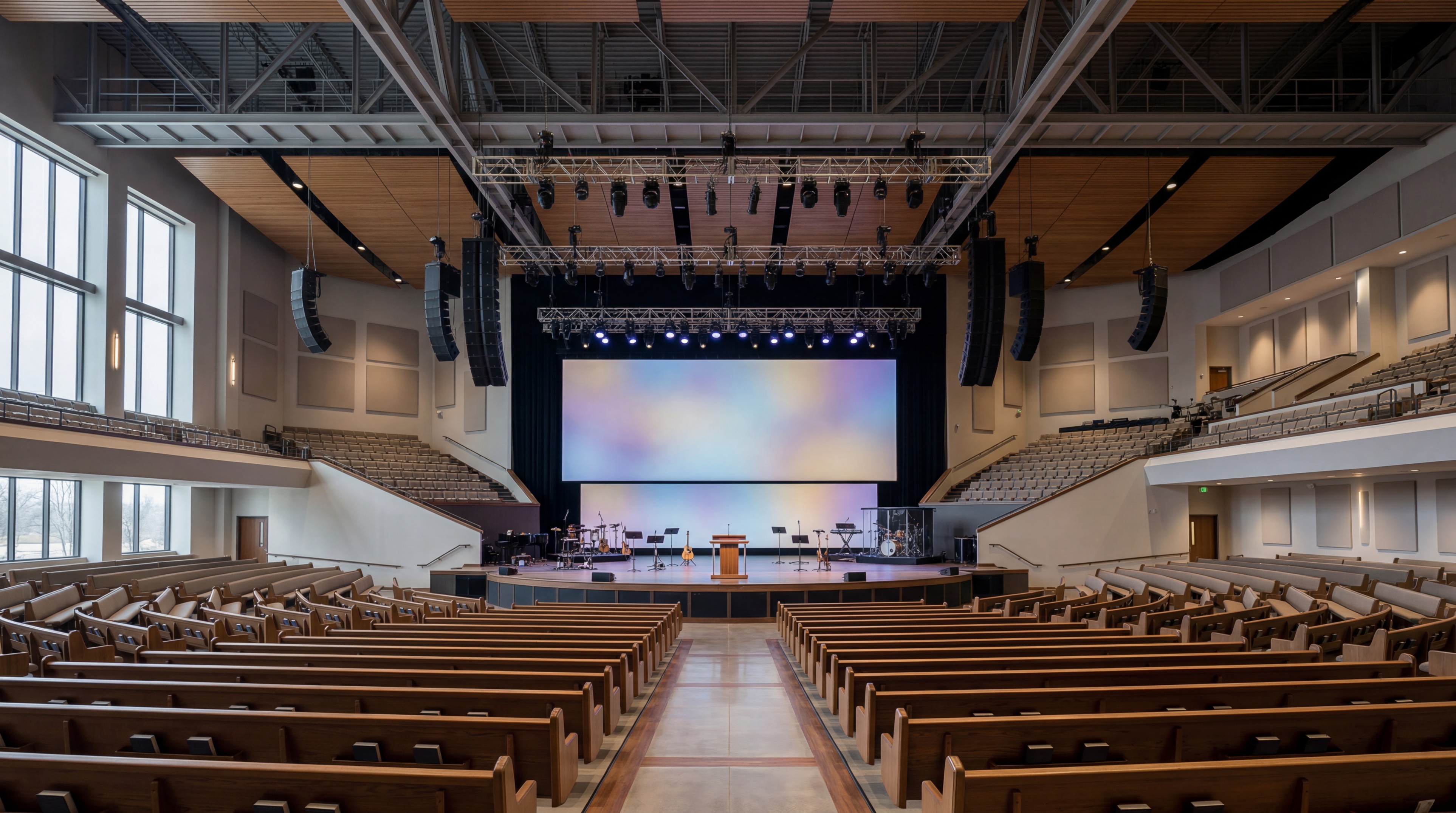
A practical example of modern worship technology improvements can be seen in a church upgrade project in Wisconsin. The congregation wanted to support a growing online audience while also improving the in-person experience inside the sanctuary.
Before the upgrade, several issues affected the service experience. Sermon audio was inconsistent both in the room and on the livestream. The streaming workflow changed from week to week, which created reliability problems. Volunteers also struggled with complex systems that required too many manual steps during services. Leadership wanted better visibility into building access and facility activity throughout the week.
The solution focused on building a structured technology framework rather than simply adding more equipment. The church implemented a repeatable streaming workflow with presets and scenes, making it easier for volunteers to start and manage services. Audio routing was improved to provide a clean, dedicated feed for livestreams, which significantly improved sermon clarity for online viewers.
Video infrastructure was also enhanced with better camera placement and simplified switching. In addition, access control and remote monitoring systems were introduced so staff could monitor facility activity and manage building access more effectively.
After these changes, services became easier to run, volunteers felt more confident operating the system, and leadership gained better oversight of their facility.
Key takeaway: A structured technology plan can improve worship experiences without increasing complexity.
Q/A
Q: What should a church review before upgrading its worship technology?
Churches should evaluate streaming stability, speech clarity, volunteer workflows, video infrastructure, and facility access control. Identifying weaknesses in these areas helps prioritize improvements before investing in new equipment.
Q: Can modern systems be monitored remotely?
Yes. Connected systems allow leadership to check cameras, door access, and system status from anywhere, improving oversight and response during off-hours.
Key takeaway: Reviewing system stability, clarity, and control helps churches plan smarter technology upgrades.
Modern worship services rely on technology that supports both in-person and online participation. When systems are designed with a clear plan, churches can deliver a consistent and engaging experience every week. The most effective worship technology focuses on stability, clarity, and simplicity rather than adding unnecessary complexity.
Reliable streaming workflows that work consistently for every service
Speech-focused sound systems that ensure sermons are clear from every seat
Production-ready video infrastructure with dependable camera angles and simple switching
Volunteer-friendly operation with presets, scenes, and clear service workflows
Security and access control systems that manage building entry and visibility
Remote monitoring capabilities that allow leadership to check systems from anywhere
Documented processes and training so volunteers can operate systems confidently
A phased upgrade strategy that prioritizes the most important improvements first
Key takeaway: Modern worship technology works best when streaming, sound, video, and facility systems operate as one reliable and easy-to-manage infrastructure.
Modernizing worship technology does not have to be complicated. With the right planning and infrastructure, churches can improve streaming reliability, sermon clarity, and facility oversight while keeping systems simple for volunteers to operate.
A professional worship technology consultation helps identify the most impactful improvements for your space. This process typically includes a review of your streaming workflow, sound system clarity, video infrastructure, and facility security setup. From there, a clear roadmap can be created to upgrade systems in practical phases.
If you want to improve your worship experience both in the sanctuary and online, schedule a consultation with Audio Video Pros to explore the next steps for your facility.